Using full-scale, functional prototypes allows you to better understand the pros and cons of your design, enabling you to quickly approve or reject the prototype when it is put through its paces.
Your teams and clients can test performance and get a feel for the appearance and perceived quality of each prototype, enabling them to understand, assess and improve any manufacturing issues or risks associated with use whilst it is still in the pre-production phase.
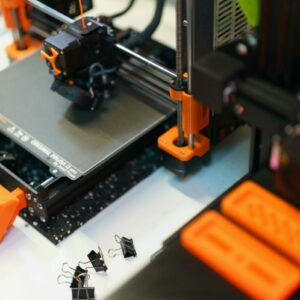
Full-scale 3D printing
Prototypes are essential at every stage of the product development process. Whether you need to verify your design using a model that reflects reality, or to carry out form, fit and function tests, you will need prototypes that meet your requirements.
Rapid prototyping allows designers and engineers to make quick and frequent revisions to their designs. Thanks to a variety of available technologies and materials, including both plastic and metal, 3D-printed prototypes are suitable for both visual and functional testing.
Machining, Cutting
Complex prototypes
involving multiple processes
Prototyping using sheet metal (steel, stainless steel or aluminium), machining and moulding offers a fast and cost-effective solution for your projects.
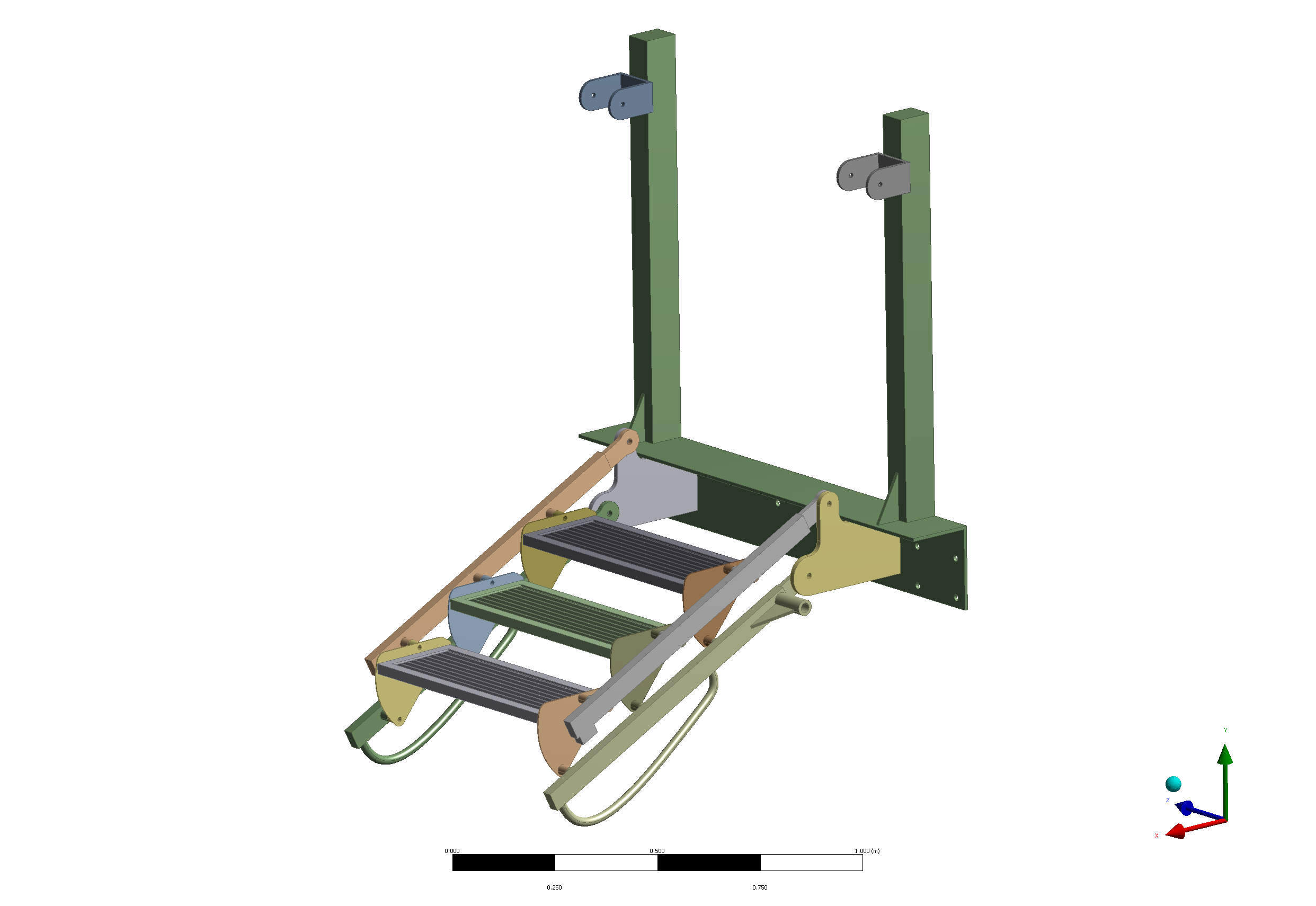
These processes include bending, punching, machining, welding and cutting for metals. Moulding, RTM, etc. for plastics and composites. These prototypes enable the production of durable, end-use assemblies with a wide selection of materials and finishes that meet your specifications. These complex prototypes are suitable for a wide range of industries, including: automotive, medical devices, aerospace, electronics, energy and robotics.
Prototypes and working models
Functional prototypes for physical testing
A working prototype allows the product to be validated through testing and hands-on interaction. These prototypes can be made from similar materials or using other processes such as 3D printing. At this stage, teams focus on performance: is the product suitable and easy to use? Does it work? Can it be optimised?
Attention must be paid to the details, to how the final assembly will be manufactured and put together (especially if this is done using a different process from that used in mass production; for example, 3D printing a prototype for a mass-produced cast part).
By continuing to browse this website, you consent to the use of cookies or other tracking technologies to provide you with tailored services and offers
Privacy & Cookies Policy
Privacy Overview
This website uses cookies to improve your experience while you navigate through the website. Out of these, the cookies that are categorized as necessary are stored on your browser as they are essential for the working of basic functionalities of the website. We also use third-party cookies that help us analyze and understand how you use this website. These cookies will be stored in your browser only with your consent. You also have the option to opt-out of these cookies. But opting out of some of these cookies may affect your browsing experience.
Necessary cookies are absolutely essential for the website to function properly. This category only includes cookies that ensures basic functionalities and security features of the website. These cookies do not store any personal information.
Any cookies that may not be particularly necessary for the website to function and is used specifically to collect user personal data via analytics, ads, other embedded contents are termed as non-necessary cookies. It is mandatory to procure user consent prior to running these cookies on your website.